My shopping cart
Your cart is currently empty.
Continue ShoppingPilot holes may seem like a quick step in the assembly process, but they play a major role in protecting the long term quality of any solid wood tabletop. Whether you are installing a new top or attaching a custom base, pilot holes help prevent issues such as cracking, uneven pressure, or unnecessary strain on mounting points. Many customers skip this step without realizing how important it is. Understanding why pilot holes matter creates a smoother and safer assembly experience for your TableCo furniture.
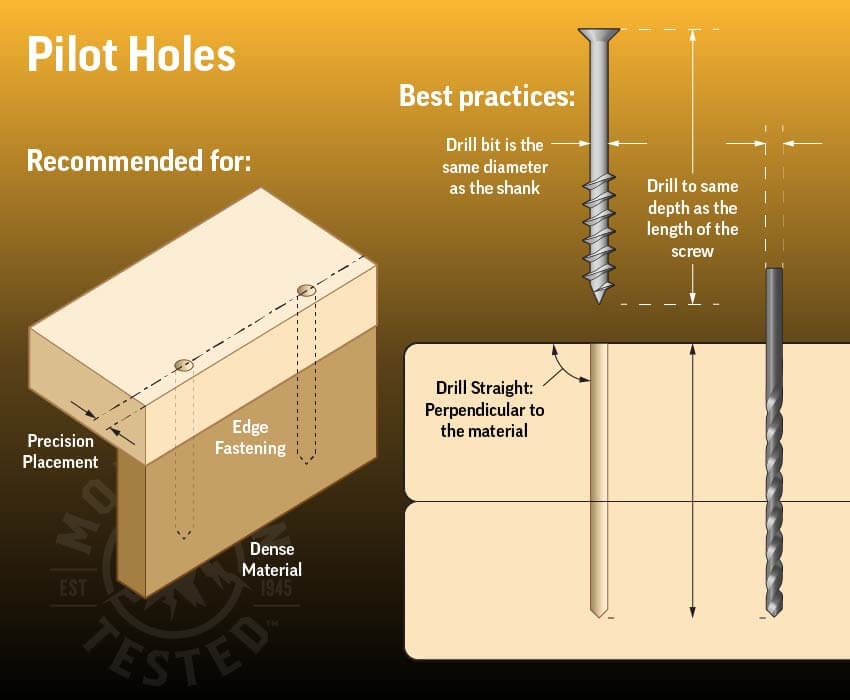
Solid wood behaves differently from manufactured materials. TableCo offers durable, solid beech, walnut, oak and other premium hardwoods, all of which respond to pressure when screws are driven in too aggressively. Driving screws directly into hardwood can force the fibres apart faster than they can compress. This may result in splitting around the mounting area. A pilot hole removes a small section of material, which guides the screw into place gradually while still allowing it to grip firmly. This simple preparation helps maintain the natural strength of the wood.
Veneer tabletops include a thin layer of real walnut or oak veneer bonded to a stable core. This makes them strong and lightweight, but also more sensitive to drilling mistakes. Without a pilot hole, screws may cause surface chips or create pressure that lifts the veneer around the entry point. A pilot hole prevents this by giving the screw a precise starting path. It reduces the risk of veneer damage and keeps the top layer smooth and intact.
Your TableCo veneer top has a plywood or MDF core; a pilot hole is essential for clean drilling. These materials compress differently from solid wood, and a screw forced in without guidance can cause internal swelling or separation. Taking a moment to drill a pilot hole protects both the veneer surface and the structural core.
Drilling into veneer requires a gentle and controlled technique. Always use painter’s tape on the drilling location to reduce surface tear out. Choose a sharp drill bit and apply steady pressure rather than high speed. A slow, careful drilling motion helps prevent splintering at the surface. Remove the tape after drilling to reveal a clean, smooth edge around the pilot hole. This method works well for installing bases, brackets, or accessories on walnut and oak veneer tops.
Pilot holes are especially valuable when mounting metal legs or bases. These bases usually include several attachment points that must sit evenly to prevent future wobbling. When each screw is supported by a properly sized pilot hole, the hardware tightens more evenly and creates a stable connection. This improves the overall balance of the table and reduces long-term stress on your solid wood top. This approach works well for all TableCo tops, whether you are installing a minimalist metal base on solid oak or pairing a live-edge walnut top with a modern steel frame.
High-quality hardwoods and stable veneer cores can both create resistance when screws are inserted without preparation. This makes it easy to strip the screw head or tighten one side more than the other. A pilot hole reduces resistance and allows the screw to move smoothly into place. This is especially helpful when adding accessories such as cable ports or power modules. Each piece of hardware sits securely without damaging the surface or the screw.
When choosing screws, it is important to match their length to the thickness of your tabletop. Avoid using screws that approach the full depth of the wood or veneer substrate. A safe guideline is to select screws that penetrate no more than two-thirds to three-quarters of the tabletop thickness. For example, a one-inch thick top should not receive screws longer than three-quarters of an inch.
In most cases, a minimum ¾-inch screw will work for securing table legs or brackets, unless the installation involves excessive movement or unusually heavy weight loads. In those situations, longer screws may be considered, but always within the two-thirds to three-quarters penetration rule.
For veneer tops, measure the entire thickness, including the core beneath the veneer layer. This prevents accidental breakthrough on the underside or excessive pressure on the veneer surface.
The pilot hole should match the depth of the screw while staying slightly shorter, usually by one-eighth of an inch. This prevents the screw from bottoming out and ensures a controlled fit.
Most metal legs require four to six screws per bracket, and using the full number of screws distributes weight evenly across the tabletop. This reduces stress points and extends the life of both the hardware and the table surface.
Whether you are assembling a solid beech tabletop or choosing one of TableCo’s walnut or oak veneer options, drilling proper pilot holes makes installation more predictable and more secure. TableCo tops are built for long-term performance, and correct pilot hole preparation protects the material as you attach bases, brackets, or accessories. This attention to detail helps preserve the natural strength, shape, and beauty of your table.
Pilot holes are a small step with a meaningful impact. They prevent cracks in solid wood, reduce veneer chipping, lower hardware strain, and create a cleaner assembly process. Taking a few minutes to drill pilot holes with the correct depth and screw length ensures long-lasting stability. It is a simple choice that helps your table stay strong, smooth, and reliable for years.